
Knee Arthroscopy: What Is It and How Does Physical Therapy Help You?
Learn what knee arthroscopy is, why it is performed, and how physical therapy is key to a full recovery. Relieve your pain and regain your mobility!
Do you feel knee pain that limits your movement? Have you heard about knee arthroscopy and are not quite sure what it involves? Do not worry! In this post we explain, in simple terms, everything you need to know about this key procedure for restoring the function of your knee.
What Is Knee Arthroscopy? A Detailed Look Inside
Imagine a small video camera, the size of a pencil, inserted into your knee through a tiny incision. That is basically what arthroscopy is! It is a minimally invasive surgical technique that allows specialists to view the inside of the knee joint on a screen and, if necessary, treat various problems without the need for traditional open surgery.
Why Is a Knee Arthroscopy Performed? Common Causes
Knee arthroscopy is used to diagnose and treat a wide variety of conditions. Among the most common we find:
- Meniscal injuries: Tears that cause pain, locking, or the sensation that the knee "gets stuck".
- Ligament injuries: Especially tears of the anterior cruciate ligament (ACL) or the posterior cruciate ligament (PCL).
- Articular cartilage damage: Wear (osteoarthritis), injuries, or loose bodies that cause pain and inflammation.
- Synovitis: Inflammation of the synovial membrane (the lining of the joint).
- Removal of loose bodies: Fragments of bone or cartilage floating inside the joint that cause discomfort.
- Patellar realignment: Problems with the kneecap that cause pain and dysfunction.
Common Types of Procedures in Knee Arthroscopy
Depending on the specific problem, different procedures can be performed during arthroscopy:
- Meniscectomy: Removal of the damaged part of the meniscus.
- Meniscal repair: Suturing the meniscal tear to try to preserve as much tissue as possible.
- Ligament reconstruction: Replacement of a damaged ligament, such as the ACL, with a tissue graft.
- Microfracture: A technique to stimulate the growth of new cartilage in small damaged areas.
- Chondroplasty: Smoothing or removal of damaged cartilage.
- Synovial release: Removal of the inflamed synovial membrane.
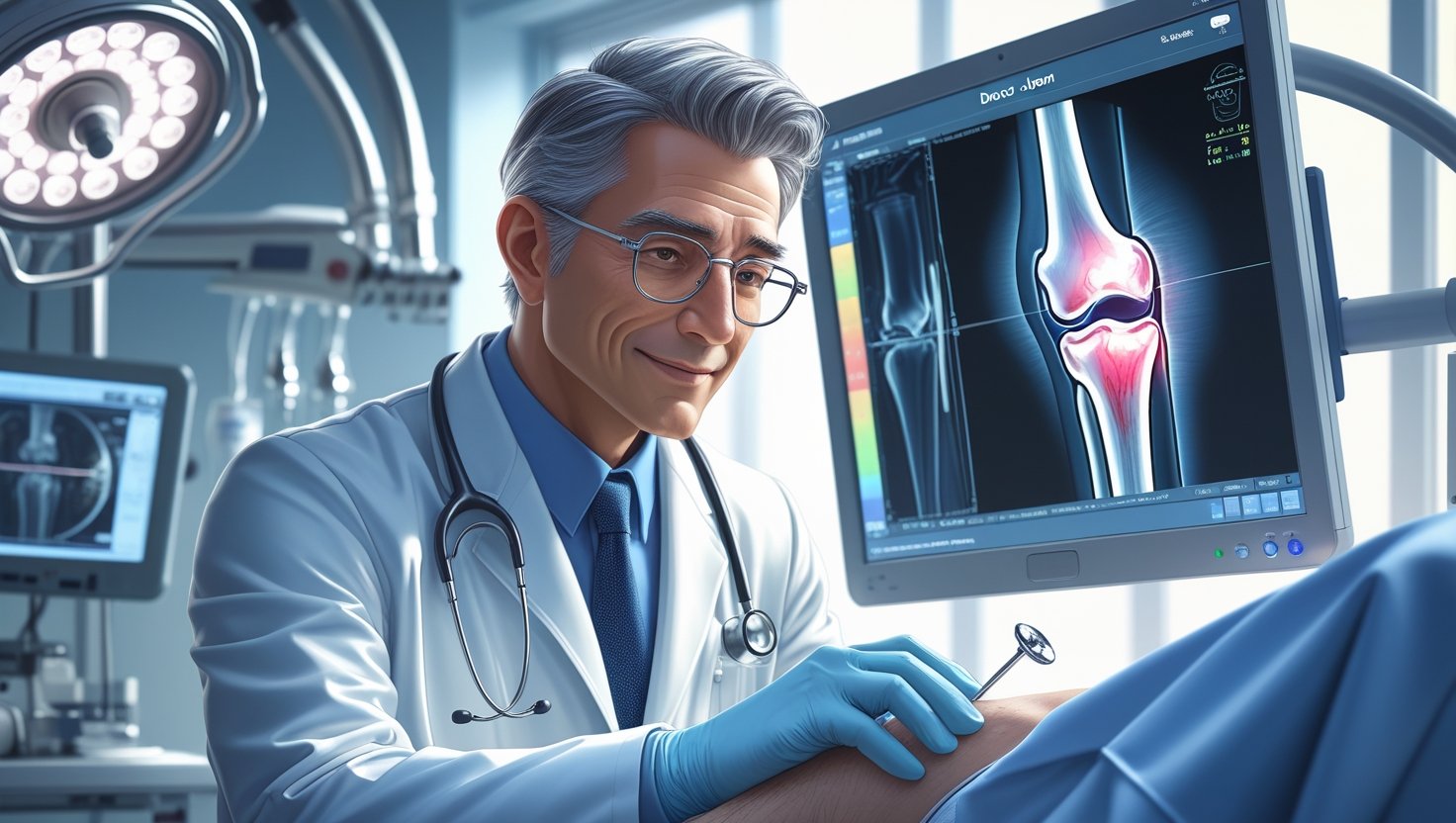
What to Expect Before, During, and After Arthroscopy?
- Before: Your doctor will carry out a complete evaluation and give you specific instructions on how to prepare, which may include fasting and stopping certain medications.
- During: Surgery is generally performed on an outpatient basis or with a short hospital stay. Small incisions are used to insert the arthroscope and the surgical instruments.
- After: It is normal to feel some pain and swelling. You will be given pain relievers and a physical therapy plan to help you recover the strength, range of motion, and function of your knee.
The Crucial Role of Physical Therapy After Arthroscopy
This is where we come in! Physical therapy is essential for a successful recovery after knee arthroscopy. Our team of specialized physical therapists will design a personalized rehabilitation program that may include:
- Pain and inflammation control: Through manual therapy, cryotherapy, and other physical agents.
- Range of motion exercises: To recover the flexibility of your knee.
- Muscle strengthening exercises: To strengthen the muscles surrounding the knee and give it stability.
- Proprioception exercises: To improve balance and awareness of the knee's position.
- Gait retraining: To walk correctly again.
- Functional training: To help you safely return to your daily and sports activities.
Conclusion: A Step Toward a Healthier, More Functional Knee
Knee arthroscopy is a valuable tool for diagnosing and treating a range of knee problems in a minimally invasive way. Combined with an appropriate physical therapy program, it offers an excellent opportunity to relieve pain, improve function, and enjoy an active life again.
Do you have questions about knee arthroscopy or about how physical therapy can help you in your recovery? Do not hesitate to contact us!
Do these symptoms sound familiar? Book your evaluation.
Book via WhatsApp